Small Kitchen? Big Ideas to Maximize Space and Functionality
A small kitchen is no longer a limitation; it is an opportunity to design smarter, more efficient, and highly functional living spaces. In modern homes, especially urban and compact residential layouts, kitchens are expected to deliver performance without occupying excessive square footage. This shift has made space optimization a core focus in interior planning and remodeling practices. Thoughtful kitchen design not only improves daily usability but also enhances property value and long-term comfort. It also encourages better spatial awareness, ensuring every design choice contributes to practicality and visual balance.
The relevance of maximizing small kitchen spaces continues to grow as homeowners seek practical solutions that balance aesthetics with efficiency. From smart storage systems to multifunctional layouts, every design decision plays a critical role in shaping usability. A well-structured kitchen reduces clutter, improves workflow, and creates a visually open environment even in limited areas. With evolving design technologies and innovative materials, it is now possible to transform compact kitchens into highly productive zones. Understanding how to utilize every inch effectively is essential for achieving both functionality and style in today’s residential architecture landscape. This approach also supports long-term adaptability as household needs change over time.
Small kitchen planning is not just about saving space; it is about redefining how cooking, storage, and movement interact seamlessly within a compact footprint for better living outcomes. It encourages intentional design thinking where efficiency and comfort work together without compromise. When executed well, even minimal spaces can deliver a premium cooking experience.
1. Smart Layout Planning for Efficient Kitchens
Understanding Work Triangle Efficiency
The foundation of an efficient small kitchen begins with the work triangle concept, which connects the sink, stove, and refrigerator. Proper alignment reduces unnecessary movement and improves cooking speed. A compact triangular flow ensures essential tasks remain within easy reach, minimizing wasted steps and maximizing productivity in daily cooking routines and overall kitchen performance for improved spatial functionality and design efficiency optimization.
Choosing the Right Layout Type
Galley, L-shaped, and single-wall layouts are most effective for small kitchens. A galley layout creates parallel efficiency, while an L-shaped design opens corner space for storage or dining integration. Single-wall kitchens work best in studio apartments where space is extremely limited, but functionality remains essential, supporting organized movement and practical daily cooking use within compact residential environments with improved usability flow design.
Enhancing Movement Flow
Clear walking paths between counters and appliances prevent congestion. Even in tight spaces, maintaining at least minimal clearance ensures safe and comfortable usage. Strategic placement of doors and drawers prevents overlap and improves accessibility in daily operations, supporting smoother workflow and reducing obstruction during food preparation and cleaning activities in compact kitchen environments for better overall efficiency and spatial organization improvement.
2. Space-Saving Cabinetry and Storage Solutions
Vertical Storage Utilization
Walls offer untapped potential in small kitchens. Installing tall cabinets that extend to the ceiling increases storage capacity without occupying floor space. Open shelving also provides easy access to frequently used items while adding visual openness, improving organizational efficiency, and maintaining a clutter-free cooking environment that supports better accessibility and modern interior functionality in compact kitchen spaces and design flexibility enhancement system.
Pull-Out and Hidden Storage Systems
Modern cabinetry designs include pull-out drawers, corner carousel units, and hidden compartments. These features efficiently utilize deep or awkward spaces that typically remain unused. Organizing utensils, cookware, and pantry items becomes more systematic and clutter-free, improving kitchen efficiency and enabling better use of limited space while supporting smooth access and long-term storage optimization in small kitchens and improving functional workflow design.
Modular Cabinet Design Benefits
Modular systems offer flexibility, allowing customization based on changing needs. Adjustable shelves and detachable units help adapt storage layouts over time. This adaptability ensures long-term usability and prevents overcrowding in compact kitchen zones, supporting efficient organization, improved accessibility, and better space utilization while maintaining a clean and structured cooking environment suitable for evolving household requirements and storage demands, and design efficiency system.
3. Multifunctional Appliances and Fixtures
Compact Appliance Integration
Space-efficient appliances such as slim refrigerators, combination microwaves, and built-in ovens reduce clutter in small kitchens. These appliances fit seamlessly into cabinetry, maintaining a clean and streamlined appearance while preserving full functionality. Their compact design supports better spatial organization, improves workflow efficiency, and enhances modern kitchen usability without compromising performance or essential cooking capabilities in limited areas and a daily convenience system.
Dual-Purpose Kitchen Fixtures
Dual-purpose kitchen fixtures maximize utility in compact spaces by combining multiple functions into single units. Sinks with cutting board covers, extendable countertops, and foldable tables enhance usability without consuming extra space. These innovative solutions allow efficient multitasking, improve workflow flexibility, and support organized cooking environments while reducing clutter and increasing functional adaptability in small kitchen designs and space efficiency gains.
Energy and Efficiency Benefits
Modern compact appliances are often energy-efficient, reducing electricity consumption while maintaining strong performance. This supports sustainability goals and lowers long-term utility costs, making them practical for small households. Improved appliance technology ensures consistent output, better temperature control, and optimized usage, contributing to a more efficient kitchen environment that balances functionality, cost savings, and environmental responsibility in daily operations and system efficiency design.
4. Lighting, Color, and Visual Expansion Techniques
Strategic Lighting Placement
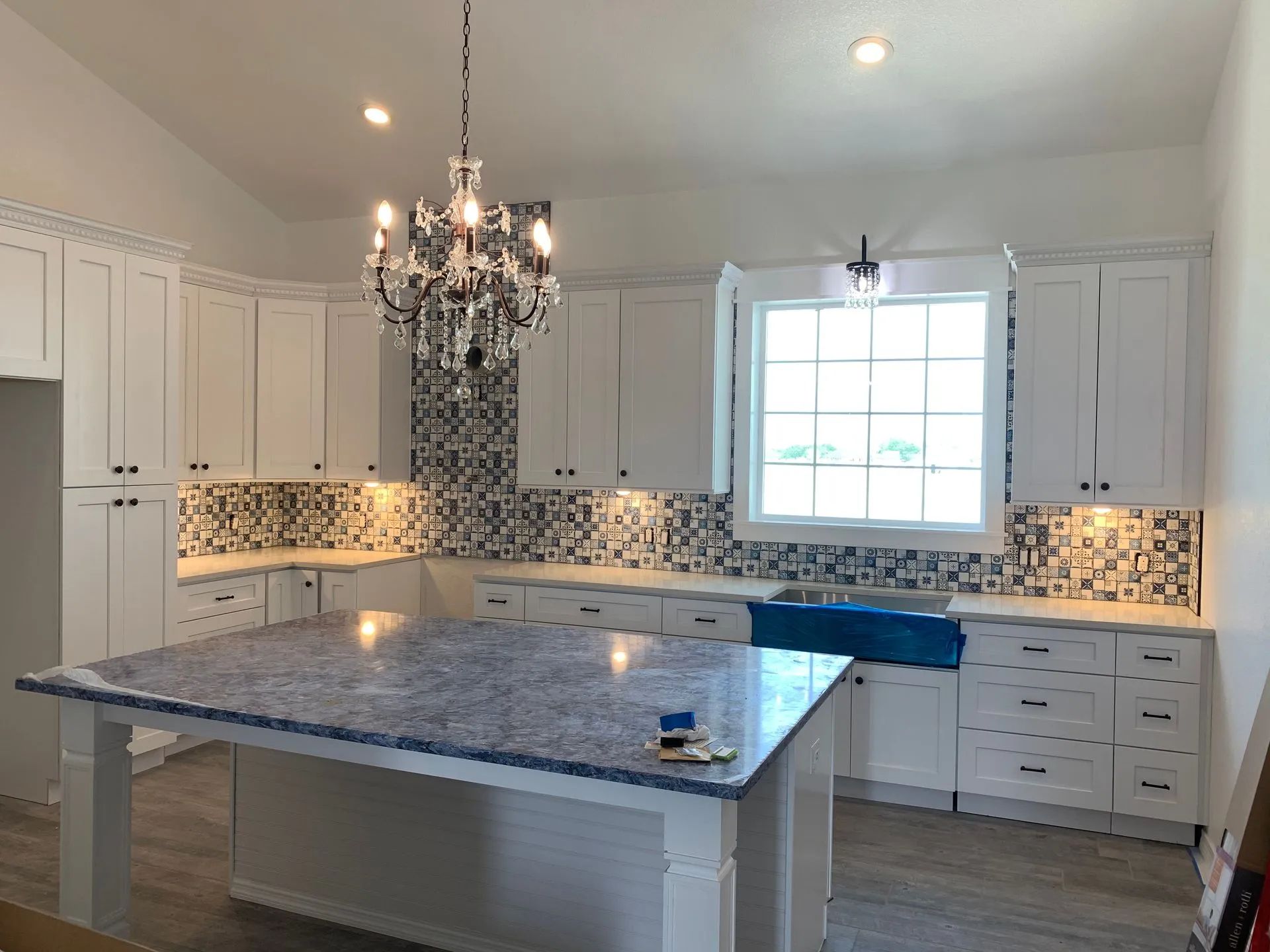
Proper lighting dramatically transforms the perception of space in small kitchens. Under-cabinet lighting improves task visibility, while ceiling-mounted fixtures ensure even brightness. Layered lighting creates depth, making compact kitchens appear larger, more inviting, and functionally efficient. Balanced illumination reduces shadows, enhances safety during food preparation, and improves overall usability by supporting clear visibility across all cooking and cleaning zones and a visual clarity system.
Light Color Palettes for Openness
Neutral tones such as white, beige, and soft gray reflect light effectively, enhancing spatial perception in small kitchens. These colors create an airy, open atmosphere that visually expands limited spaces. Glossy cabinet finishes and reflective surfaces further amplify brightness, improve modern aesthetics, and support a clean, organized look that contributes to better functionality, visual comfort, and design harmony.
Reflective Surfaces and Design Elements
Mirrored backsplashes and glass cabinet doors contribute significantly to visual expansion in small kitchens. These reflective surfaces bounce light across the room, reducing the feeling of confinement and making spaces appear larger. They also add sophistication, depth, and modern appeal, enhancing overall kitchen aesthetics while maintaining functional practicality and improving perceived openness in compact residential design layouts and spatial visual balance systems.
5. Workflow Optimization and Smart Organization
Zoning for Functional Efficiency
Dividing the kitchen into preparation, cooking, and cleaning zones improves organization and workflow efficiency. Each zone is designed for a specific task, reducing overlap and unnecessary movement during meal preparation. This structured layout enhances productivity, supports better time management, and ensures smooth transitions between activities, making small kitchen operations more organized, efficient, and practical for daily use and operational flow improvement.
Decluttering and Minimalist Approach
A minimalist approach ensures only essential items remain visible or easily accessible in small kitchens. Regular decluttering prevents overcrowding and maintains a clean, functional environment that supports smooth workflow. This practice enhances efficiency, reduces visual distractions, and creates a more organized cooking space that improves usability, hygiene, and long-term maintenance in compact residential kitchen layouts and an improved spatial organization control system.
Smart Storage Habits
Using labeled containers, drawer organizers, and stackable storage solutions improves accessibility and reduces time spent searching for items in small kitchens. Consistent organizational habits help maintain long-term efficiency and order. These methods enhance visibility, optimize storage capacity, and support smoother workflow, ensuring that compact kitchen spaces remain functional, tidy, and highly efficient for everyday cooking activities and system design optimization efficiency control system.
Proven Red Knights Construction LLC LLC Functional Design Excellence
Maximizing a small kitchen requires strategic planning, intelligent design choices, and consistent organization practices. Efficient layouts, smart storage systems, multifunctional appliances, and thoughtful lighting all contribute to transforming compact spaces into highly functional environments. When each element is designed with purpose, even the smallest kitchen can deliver exceptional usability and comfort without compromise. This approach also ensures better time management, improved safety, and a smoother cooking experience that adapts to modern household needs.
The value of space optimization extends beyond convenience, directly influencing lifestyle quality and property appeal. A well-structured kitchen supports smoother daily routines, reduces clutter, and enhances overall efficiency. Careful attention to design details ensures that every inch serves a meaningful function, creating a balanced and practical cooking environment. It also increases the long-term durability of interiors while making daily maintenance easier and more organized for consistent household performance.
Red Knights Construction LLC
brings a strong commitment to delivering
high-quality kitchen remodeling
and space optimization solutions across Austin and Cedar Creek, Texas. With 10
years of industry experience, our approach focuses on precision planning, durable craftsmanship, and modern design integration. We prioritize functionality and aesthetic balance in every project, ensuring compact kitchens are transformed into efficient, stylish, and highly usable spaces. Our expertise supports homeowners in achieving practical layouts that enhance both daily living and long-term property value. Every project is executed with attention to detail, ensuring lasting performance and client satisfaction.