Comparing Materials: Tile, Quartz, and Porcelain for Bathrooms
Choosing the right material for a bathroom is more than an aesthetic decision; it directly impacts durability, maintenance, and long-term satisfaction. With a wide variety of options available, homeowners and contractors alike face the challenge of balancing style, functionality, and cost. Among the most popular choices today are tile, quartz, and porcelain—each offering unique benefits and considerations that can significantly affect both residential and commercial bathroom projects. Understanding the differences between these materials is essential for making an informed decision that meets both practical and design goals.
In modern construction and remodeling, bathroom surfaces are not just a visual statement—they must withstand moisture, frequent cleaning, and the test of time. Selecting an appropriate material affects everything from water resistance to cleaning routines, and even resale value. This guide provides an in-depth comparison of tile, quartz, and porcelain for bathroom applications, examining their properties, installation considerations, maintenance requirements, and cost-effectiveness. By the end, homeowners, designers, and builders will have actionable insights to choose a surface material that aligns with both their aesthetic vision and functional needs, ensuring a bathroom that is both beautiful and enduring.
Tile for Bathrooms – Timeless Versatility
Understanding Tile
Tile has been a staple in bathroom design for centuries due to its adaptability and broad design spectrum. Ceramic and natural stone tiles are the most commonly used options. Ceramic tiles are manufactured from clay and minerals, fired in kilns, and glazed for durability and color retention. Natural stone tiles, such as marble, granite, or travertine, offer a luxurious appearance but require more maintenance to prevent staining and water damage.
Benefits of Tile
Design Flexibility
Tiles come in countless colors, shapes, sizes, and patterns, allowing homeowners to achieve virtually any style, from classic subway layouts to intricate mosaic designs.
Water Resistance
Glazed ceramic tiles and stone tiles with proper sealing provide excellent moisture resistance, crucial for wet environments like bathrooms.
Durability
High-quality tiles can last decades when installed correctly, resisting scratches, chips, and fading under normal use.
Eco-Friendly Option
Many manufacturers offer tiles made from recycled materials, supporting sustainable building practices.
Challenges and Considerations
Installation Complexity
Tile installation can be labor-intensive, requiring precise cutting, leveling, and grouting. Mistakes can lead to uneven surfaces or water seepage.
Maintenance
While ceramic tiles are relatively low-maintenance, grout lines can accumulate mold and mildew if not properly sealed and cleaned regularly.
Cost Variation
Prices vary widely based on tile type and design, with luxury stone tiles significantly increasing project costs.
Best Practices for Tile Bathrooms
- Select high-quality, water-resistant tiles suited for wet areas.
- Use professional installers for complex patterns or large surfaces.
- Seal natural stone tiles and grout lines to prevent water penetration and staining.
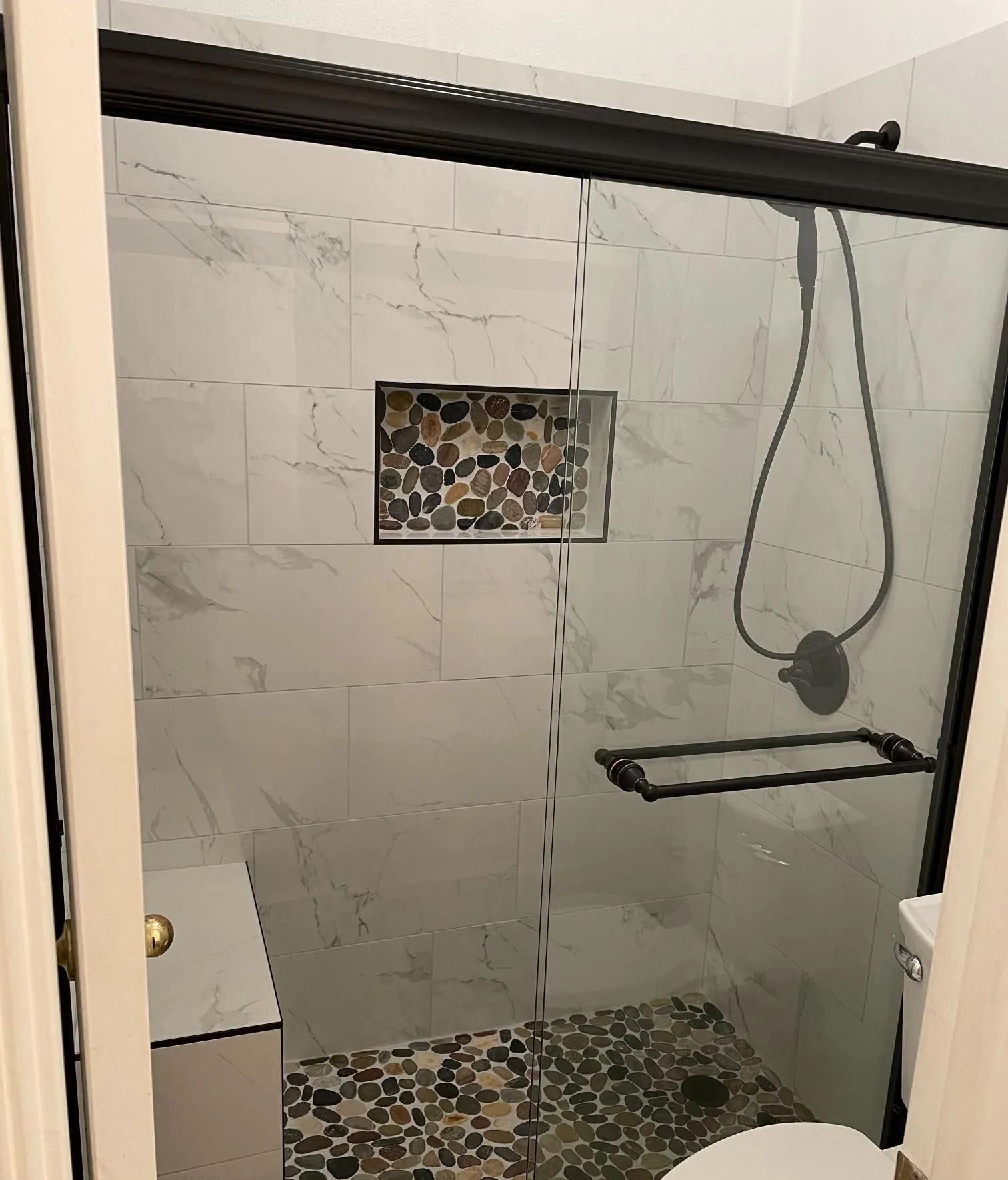
Real-world scenario: Homeowners often choose a combination of large-format tiles for flooring and smaller mosaic tiles for shower accents, creating both visual interest and functional surfaces that handle moisture effectively.
Quartz – Engineered Strength and Modern Appeal
What is Quartz?
Quartz is an engineered material made by blending natural quartz crystals with resins and pigments. The resulting surface is non-porous, highly durable, and available in a wide array of colors and patterns. Quartz has gained popularity for bathroom countertops and vanity surfaces due to its combination of aesthetic appeal and practical performance.
Advantages of Quartz in Bathrooms
Non-Porous Surface
Quartz does not absorb water, reducing the risk of mold, mildew, and bacterial growth—an essential feature for bathroom hygiene.
Durability
Resistant to scratches, chips, and stains, quartz holds up well to daily use and cleaning chemicals.
Low Maintenance
Unlike natural stones, quartz requires no sealing. Cleaning with mild soap and water is typically sufficient.
Consistency in Appearance
Engineered manufacturing ensures consistent color and pattern, making it easier to coordinate bathroom designs.
Potential Drawbacks
Heat Sensitivity
Quartz can be damaged by excessive heat, so hot styling tools or pans should never be placed directly on the surface.
Cost Considerations
While generally more affordable than high-end natural stone, premium quartz options can be expensive.
Not Fully Natural
For purists who prefer all-natural materials, quartz’s engineered nature may be less appealing.
Tips for Using Quartz in Bathrooms
- Opt for edge profiles and thicknesses suitable for vanity tops and countertops.
- Pair quartz surfaces with complementary tile or porcelain flooring for cohesive design.
- Choose lighter shades to make small bathrooms feel brighter and more spacious.
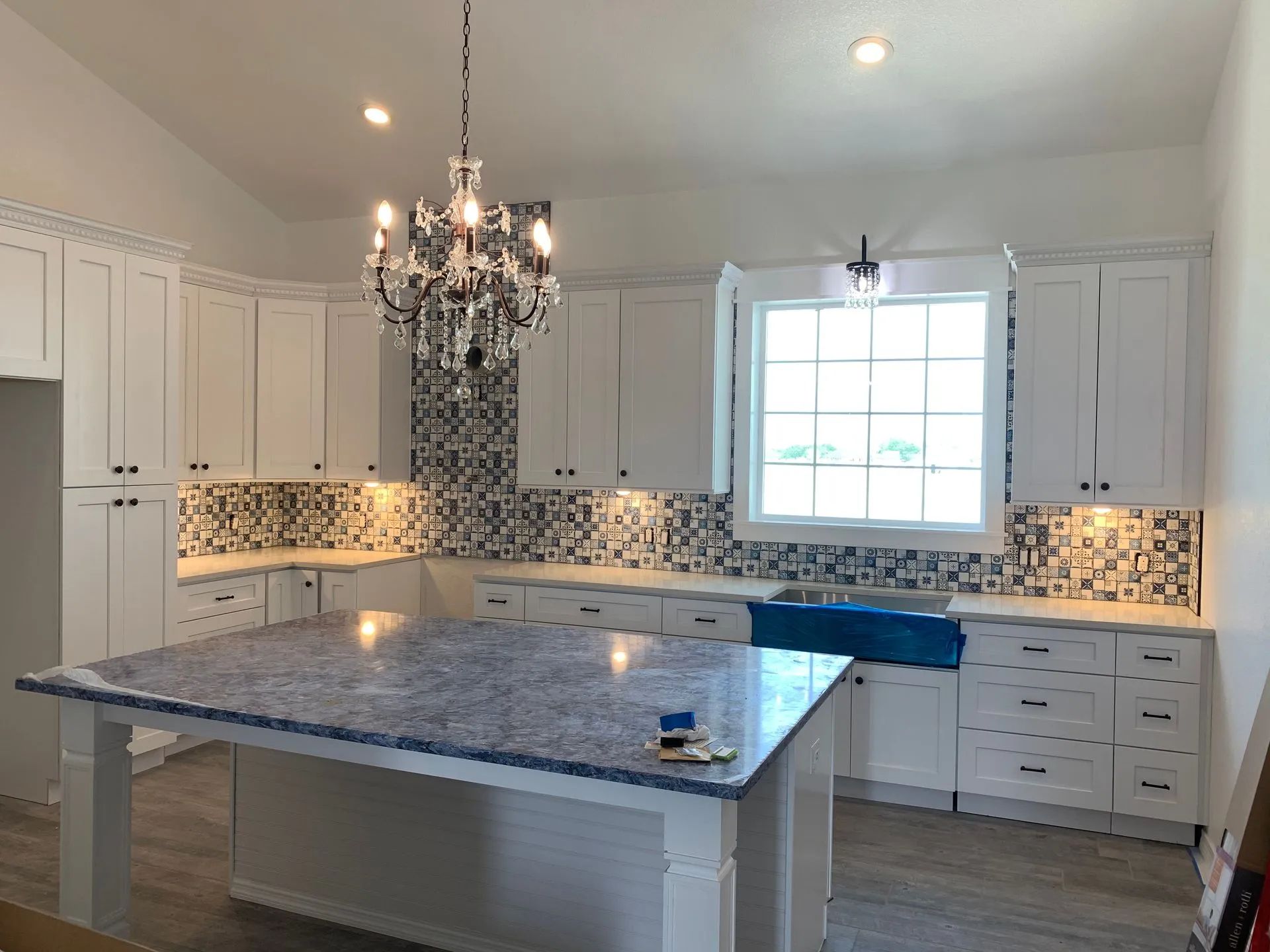
Example scenario: In modern homes, quartz countertops are often installed with undermount sinks, creating a seamless surface that is both visually appealing and easy to maintain, while withstanding daily exposure to water and personal care products.
Porcelain – Strength and Sleek Design
Defining Porcelain
Porcelain is a type of ceramic tile made from denser clay and fired at higher temperatures. This process produces a hard, durable material with low water absorption, making it ideal for bathrooms, especially floors and shower walls. Porcelain tiles can mimic natural stone or wood, offering design versatility without the maintenance challenges of real stone.
Key Benefits of Porcelain
Exceptional Durability
Porcelain resists scratches, stains, and heavy foot traffic, often outperforming standard ceramic tiles.
Low Water Absorption
Its dense composition makes porcelain highly resistant to water, mold, and mildew.
Versatile Design
Porcelain can replicate textures of marble, granite, or even wood, providing premium aesthetics at a lower cost.
Easy Cleaning
Non-porous surfaces allow for simple maintenance with standard cleaning products.
Challenges to Consider
Installation Difficulty
Porcelain is dense and hard, requiring specialized cutting tools and professional installation. Improper installation can result in cracking or uneven surfaces.
Cost Range
While generally affordable, premium large-format or designer porcelain tiles can raise project costs.
Weight
Heavier tiles may require reinforced subflooring, particularly on upper-story bathroom installations.
Best Practices for Porcelain Bathrooms
- Use large-format tiles to reduce grout lines and create a seamless look.
- Pair with quality grout sealers to maintain long-term cleanliness and prevent discoloration.
- Consider matte finishes for flooring to reduce slipping hazards in wet areas.
Practical example: Porcelain tiles are often chosen for high-traffic master bathrooms because their low-maintenance, water-resistant properties ensure long-term durability without frequent repairs or replacements.
Comparing Tile, Quartz, and Porcelain – Performance Metrics
Water Resistance
Tile: Glazed ceramic tiles are water-resistant; natural stone requires sealing.
Quartz: Non-porous and impervious to water, ideal for countertops.
Porcelain: Extremely water-resistant, suitable for both floors and walls in wet areas.
Durability and Longevity
Tile: Durable if installed correctly; grout lines may need upkeep.
Quartz: Scratch and stain-resistant, but sensitive to heat.
Porcelain:
Hardest among the three; highly resistant to wear and damage.
Maintenance Requirements
Tile: Moderate; grout cleaning and occasional sealing needed.
Quartz: Low; simple cleaning suffices, no sealing required.
Porcelain:
Low; durable surface requires minimal upkeep.
Cost Implications
Tile: Budget-friendly to premium, depending on material type and design.
Quartz: Mid to high-range; consistent color adds value.
Porcelain:
Competitive pricing, premium designs may be costly.
Design Flexibility
Tile: Offers endless patterns, textures, and colors.
Quartz: Wide range of consistent patterns; engineered look.
Porcelain:
Can mimic natural stone, wood, and high-end finishes effectively.
Real-World Scenarios and Material Selection Tips
Scenario 1: Small Residential Bathroom
For a small home bathroom with limited square footage, porcelain tiles in a light, matte finish can make the space feel larger and brighter while reducing maintenance efforts. Complementing this with a quartz countertop enhances durability and water resistance around the sink area.
Scenario 2: Luxury Master Bathroom
In high-end renovations, homeowners often combine marble-look porcelain for flooring and walls with custom quartz vanity tops. This combination balances opulence, long-lasting performance, and hygiene, giving a spa-like experience without the maintenance demands of natural stone.
Scenario 3: Commercial or High-Traffic Bathrooms
Tile and porcelain are preferred for commercial bathrooms due to their resilience under constant use. Quartz may be used for countertops or vanity areas where durability and low maintenance are critical. Proper sealing and slip-resistant finishes ensure safety and longevity.
Expert Material Selection Tips
Consider Moisture Levels
Bathrooms have varying exposure to water; select materials accordingly.
Balance Design with Functionality
Match visual appeal with performance needs to avoid costly replacements.
Professional Installation Matters
Even the best materials fail if not installed correctly.
Maintenance Planning
Factor in long-term cleaning and upkeep requirements when choosing surfaces.
Sustainability and Environmental Considerations
Eco-Friendly Options
Tile: Many brands offer recycled ceramic or porcelain tiles, reducing environmental impact.
Quartz: Some engineered quartz uses recycled materials, though production involves synthetic resins.
Porcelain:
Energy-intensive to produce, but durability reduces replacement frequency, contributing to sustainability.
Long-Term Value
Sustainable materials that resist wear, stains, and moisture save homeowners money in the long term. Choosing high-quality surfaces with low maintenance requirements minimizes chemical use and resource consumption, aligning with eco-conscious building trends.
Trusted Professionals Ensuring Durable, Stylish Bathrooms
At Red Knights Construction LLC, we bring over 10 years of experience serving Austin and Cedar Creek, Texas, in providing expert guidance on bathroom renovations and material selection. Our team has extensive experience installing and advising on tile, quartz, and porcelain surfaces, ensuring that every project meets the highest standards of craftsmanship, safety, and longevity. Whether it’s a compact residential bathroom, a luxury master suite, or a high-traffic commercial space, we deliver solutions that balance style, durability, and functionality.
For homeowners and contractors in Austin and Cedar Creek, trusting an experienced, reliable construction partner is essential. With years of experience in bathroom renovations, we have established a reputation for professionalism, precision, and customer-centered service. Our commitment to excellence, combined with our deep understanding of tile, quartz, and porcelain, guarantees a finished bathroom that is both beautiful and functional—transforming everyday routines into a lasting experience of quality and comfort.